 Reviews


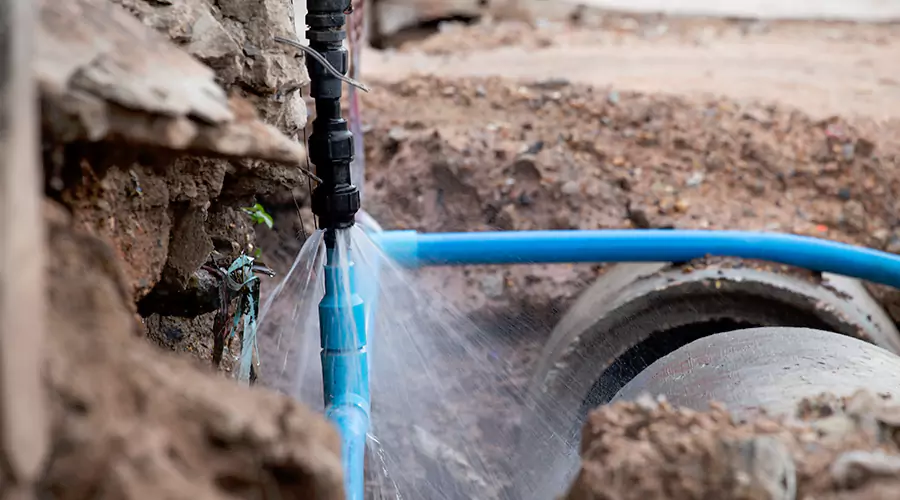
Plumbing systems are designed to carry water safely through homes and buildings, yet constant exposure to temperature shifts and internal pressure causes stress on every plumbing pipe installed behind walls and under floors. Damage is often noticed only after leaks or cracks are formed. A clear understanding of how heat, cold, and pressure interact with pipe materials is considered essential for preventing structural failure and expensive repairs.
In most residential properties, water lines, drainage systems, and the plumbing vent pipe network are connected in a closed system. Stability is maintained only when both temperature and pressure remain within safe limits. When sudden changes are experienced, pipe walls are expanded, contracted, or weakened over time.
The Science Behind Temperature Expansion and Contraction
Whenever water temperature is changed, pipe material is affected. Expansion is caused by heat, and contraction is caused by cold. This process is repeated every day as hot water flows through supply lines and cool water fills the same space afterward.
Metal pipes are expanded when exposed to high heat, and slight length changes are produced. Plastic materials such as pvc pipes plumbing are also expanded but are considered more flexible. When contraction is caused by cold weather, shrinkage is created. If tight fittings are used without space for movement, stress is placed on joints.
Over time, cracks are formed at weak points. Small leaks are developed quietly behind walls. In colder climates, freezing temperatures are known to cause serious structural risk. When water inside a pipe is frozen, expansion is triggered from within. Internal pressure is increased rapidly, and pipe walls are forced outward. As a result, ruptures are created without warning.
How Cold Weather Increases the Risk of Pipe Damage?
When winter temperatures are experienced, plumbing systems are placed under additional strain. Exterior walls, basements, and uninsulated crawl spaces are commonly exposed to freezing air. Pipes located in these areas are especially vulnerable.
The following effects are typically observed during extreme cold:
- Water inside the pipe is frozen and expanded.
- Internal pressure is increased beyond normal design limits.
- Joints and elbows are weakened due to uneven expansion.
- At this stage, it's crucial to contact plumbers for frozen pipes to prevent further damage.
- Cracks are formed and may not be noticed until thawing occurs.
Once thawing takes place, leaks are revealed. Water damage is often discovered after ceilings or walls are stained. In many cases, a burst pipe plumber is required to repair or replace the damaged section quickly.
The Impact of High Water Pressure on Plumbing Pipe Systems
Temperature is not the only concern. Water pressure is also considered a major factor in pipe longevity. When pressure is maintained at safe levels, smooth flow is supported. However, when excessive pressure is present, stress is applied continuously to pipe walls and fittings.
High pressure is commonly caused by municipal supply fluctuations, faulty pressure regulators, or thermal expansion inside water heaters. If no expansion tank is installed, pressure spikes are produced when heated water is expanded inside a closed system. Over time, fatigue is created in the material.
The following consequences are often associated with high water pressure:
- Hairline fractures are developed in pipe walls.
- Valve seals are worn out prematurely.
- Appliance hoses are weakened and may rupture.
- Noise such as banging or knocking is produced inside walls.
When these warning signs are ignored, failure is eventually experienced. Repairs are usually more costly once structural damage has occurred.
How Plumbing Vent Pipes Are Affected by Pressure Changes?
A properly functioning plumbing vent pipe is required for stable pressure within a drainage system. Air is allowed to enter through vent stacks so that wastewater can flow smoothly. Without proper ventilation, negative pressure is created inside drain lines.
When a blocked vent pipe plumbing issue is present, airflow is restricted. As a result, drainage is slowed and gurgling sounds are heard. Water seals in traps may be siphoned out due to pressure imbalance. Sewer gases can then be released into living spaces.
Temperature also plays a role in vent pipe performance. In colder climates, frost buildup is sometimes formed at the roof vent opening. Blockage is caused when ice accumulates. Once airflow is limited, pressure differences are intensified inside the system. This additional strain can contribute to joint separation or minor cracking over time.
Material Differences and Their Response to Temperature
Not all pipe materials are affected equally by temperature and pressure. Traditional copper and galvanized steel pipes are known for durability but are less flexible. When rapid expansion or contraction is experienced, stress points are concentrated at soldered or threaded connections.
In contrast, pvc pipes plumbing systems are lighter and more flexible. Resistance to corrosion is provided, which makes them common in drainage lines. However, brittleness can be increased in extreme cold. If sudden impact or freezing occurs, cracking may result.
PEX piping is often used in modern installations because flexibility is provided even in low temperatures. Expansion can be tolerated without immediate rupture. Still, safe installation practices are required so that fittings are secured properly.
The choice of material is considered critical when temperature swings are common. Professional evaluation is often recommended before upgrades are performed.
Signs That Temperature and Pressure Are Damaging Your Pipes
Damage caused by heat and pressure is usually gradual. Warning signs are often subtle and may be overlooked. Early detection is considered essential for preventing major failure.
Common indicators include:
- Fluctuating water pressure at faucets.
- Discolored water caused by internal pipe corrosion.
- Unusual noises when taps are turned off.
- Damp spots appearing on walls or ceilings.
When these symptoms are noticed, inspection should be arranged promptly. Minor repairs are generally less expensive than full pipe replacement.
Preventive Measures That Reduce Pipe Stress
Long-term durability can be supported through simple preventive strategies. Insulation is widely recommended for pipes located in unheated areas. By maintaining a stable temperature around the pipe surface, freezing risk is lowered.
Water pressure should be tested periodically. A pressure regulator can be installed if levels exceed recommended limits. Expansion tanks are often fitted to water heaters so that thermal expansion is absorbed safely.
Regular inspection of the plumbing pipe network is also advised. Small leaks can be repaired before major rupture is experienced. Vent stacks should be checked to ensure that no blocked vent pipe plumbing condition is present. Proper airflow keeps pressure balanced and reduces strain on drain lines.
Why Professional Inspection is Often Necessary?
Although minor maintenance can be handled by homeowners, hidden damage is frequently overlooked. Internal corrosion, joint fatigue, or microfractures are not always visible without specialized tools. Professional plumbers are trained to measure pressure levels and assess temperature-related stress.
When a pipe failure has already occurred, immediate repair is usually required to prevent water damage. A qualified burst pipe plumber is equipped to replace damaged sections and restore system stability. Emergency intervention is often necessary when freezing or high pressure has caused sudden rupture.
By addressing temperature and pressure risks early, costly repairs can be avoided. Pipe lifespan can be extended significantly when proper precautions are taken.
Final Thoughts on Temperature and Pressure Effects
Temperature changes and pressure fluctuations are constantly experienced within every plumbing system. Expansion and contraction are natural processes, yet damage is created when limits are exceeded. Whether traditional metal pipes or pvc pipes plumbing systems are installed, vulnerability is present when freezing, overheating, or high pressure occurs.
Balanced airflow through the plumbing vent pipe network is required so that internal pressure remains stable. When proper insulation, pressure control, and routine inspection are maintained, the risk of pipe failure is reduced. By understanding how temperature and pressure affect each plumbing pipe, informed decisions can be made to protect property and maintain reliable water flow for years to come.
Frequently Asked Questions
How can freezing temperatures cause a plumbing pipe to burst?
When water inside a plumbing pipe is frozen, expansion is caused and internal pressure is increased, which can crack the pipe wall. Leaks are usually noticed after thawing occurs.
What water pressure level is considered safe for American homes?
Water pressure between 40 and 60 psi is generally considered safe, while levels above 80 psi are known to place excess stress on pipes and fixtures. Long-term exposure to high pressure can lead to cracks and leaks.
Can a blocked vent pipe plumbing issue affect indoor drainage?
When a blocked vent pipe plumbing problem is present, airflow is restricted and negative pressure is created, which can slow drains and cause sewer odors. Proper venting through the plumbing vent pipe is required for balanced drainage.
Are pvc pipes plumbing systems safe during extreme temperature swings?
Pvc pipes plumbing systems are resistant to corrosion but can become brittle in freezing temperatures, increasing the risk of cracking. Insulation is recommended to reduce temperature stress.
When should a burst pipe plumber be contacted?
A burst pipe plumber should be contacted immediately when sudden leaks, water stains, or sharp pressure drops are noticed to prevent structural damage.